Alaredy: A Modern Script Font for Editorial Elegance
It was a quiet afternoon when I first opened the design file for the lifestyle blog redesign. The client wanted something fresh, something that would feel both modern and approachable. After testing several options, Alaredy emerged as the perfect choice for the header. Its smooth, elegant monoline script immediately brought a sense of calm to the layout, making it ideal for a publication that prides itself on mindfulness and well-being.
A Font with Rhythm and Refinement
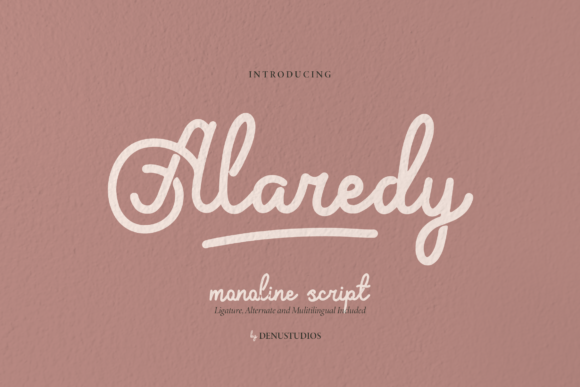
Alaredy is a monoline script font that stands out for its clean, continuous lines and balanced rhythm. Unlike more ornate or cursive scripts, it carries a modern elegance that feels both stylish and readable. This makes it particularly suitable for editorial projects where visual appeal needs to coexist with clarity.
The font's personality is soft yet confident, which works well in content layouts that aim to evoke a mood—whether it’s serenity, inspiration, or creativity. Its consistent line weight ensures that it doesn’t become overwhelming, even when used in larger sizes or across multiple lines.
Real-World Applications in Editorial Design
In my recent project, I used Alaredy for a variety of elements. For the blog header, it created a welcoming tone that matched the brand's voice. In the pull quotes, it added a touch of sophistication without distracting from the message. And for the chapter openers in an upcoming recipe ebook, it gave each section a unique, handwritten feel that felt personal and inviting.
When designing a wedding guide, Alaredy worked beautifully for section titles and decorative accents. It didn’t overpower the content but instead enhanced the overall aesthetic. Similarly, in a coaching workbook, it helped create a warm, encouraging atmosphere that aligned with the program’s goals.
For digital magazines, it proved to be an excellent option for cover text and feature headlines. Its modern look complemented contemporary layouts, while still maintaining a level of charm that traditional serif fonts might lack.
Readability and Practical Considerations
While Alaredy excels in display settings, it’s important to note that it’s not ideally suited for long-form reading. Its script style can make dense paragraphs difficult to follow, especially on screens or in print formats where legibility is key. That said, it performs exceptionally well in short bursts of text—such as headlines, pull quotes, and section headers.
When using Alaredy in digital layouts, I found that pairing it with a clean sans-serif font like Helvetica or Arial for body copy created a strong visual contrast and improved readability. This combination is also effective in newsletters, where a bold headline grabs attention, and a simple font supports the main content.
For print materials, Alaredy holds up well in high-resolution outputs. However, care should be taken with sizing and spacing to ensure that the font remains clear and doesn’t appear cramped. Testing different weights and styles—especially if the font includes alternates or ligatures—can help achieve the desired effect.
Choosing Alaredy for Your Project
If you’re working on a creative project that benefits from a touch of elegance without sacrificing modernity, Alaredy is worth considering. It’s particularly well-suited for blog headers, magazine covers, ebook titles, newsletter graphics, and printable guides. Just be mindful of its use cases; it’s best reserved for display purposes rather than extended reading.
Before finalizing your design, check the font’s available styles, multilingual support, and licensing terms, especially if you plan to use it in commercial products or digital downloads. Ensuring that the font meets your specific needs will help avoid any unexpected issues down the line.
Whether you're crafting a lifestyle blog, designing a wedding guide, or developing a course PDF, Alaredy offers a versatile and refined option that can elevate your editorial designs with minimal effort. Its blend of style and usability makes it a valuable addition to any designer’s toolkit.