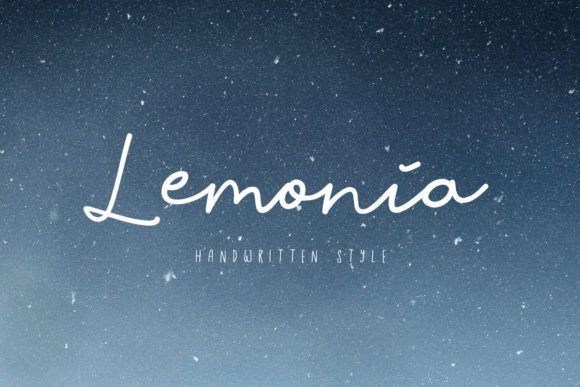
Lemonia: A Modern Script Font for Stylish Branding
Opening a fresh brand board one morning, I was looking for a font that could bring warmth and personality to a new café identity. The project called for something approachable yet refined—something that would feel inviting on a menu but still hold up in a logo. That’s when I landed on Lemonia, a modern script font from Script Amp. It wasn’t just the sleek curves or the clean lines that caught my eye; it was how effortlessly it seemed to blend elegance with a touch of playfulness.
What Makes Lemonia Stand Out
Lemonia is a modern script font that adds a stylish flair to your text. Each letter is meticulously crafted, ensuring a unique and contemporary design. The flow between letters feels natural, almost like handwriting, but with a level of polish that makes it suitable for professional use. The characters are balanced and well-proportioned, which gives them a sense of movement without sacrificing readability.
The visual characteristics of Lemonia lean into a soft, organic aesthetic. The strokes have subtle variations in weight, giving the font a dynamic feel. This isn’t a rigid, uniform script—it’s more like a conversation between the designer and the viewer. The mood it conveys is warm, friendly, and slightly whimsical, making it ideal for brands that want to feel personable and creative.
Lemonia in Real-World Branding Applications
I tested Lemonia across several branding elements. In the café logo concept, it worked beautifully as the main typeface. Paired with a clean sans-serif font for supporting text, it created a strong contrast that guided the viewer’s eye naturally. The logo looked great both in digital formats and printed on signage.
On the packaging mockup, Lemonia added a touch of sophistication to the product labels. It didn’t overwhelm the design, even when used in smaller sizes. For social media graphics, the font felt right at home on Instagram posts and Facebook banners, especially when paired with bold colors and minimalist layouts.
In web design, Lemonia performed well in hero sections and call-to-action buttons. However, I found that using it for long-form content wasn’t ideal due to its script nature. It’s better suited as a display or headline font rather than body text. The same goes for business cards—Lemonia made the designs feel personal and memorable, but only when used sparingly.
Font Pairing and Practical Considerations
When pairing Lemonia with other fonts, I found that combining it with a serif or sans-serif font helped balance the design. For example, using Lemonia for headlines and a clean sans-serif for subheadings or body text created a harmonious visual hierarchy. This combination worked particularly well in editorial design and website headers.
It’s also worth noting that Lemonia includes a range of alternates and ligatures, which can add variety and interest to your typography. These features allow for more expressive use in logos, posters, and other graphic elements where a little extra flair can make a big impact.
However, there are limitations to consider. Lemonia may not be the best choice for formal corporate environments or projects requiring high readability in small sizes. It’s more of a decorative or accent font that should be used thoughtfully to maintain professionalism and clarity.
Testing and Licensing Tips
Before committing Lemonia to any final client work, I recommend testing it across various mediums and sizes. How does it look on a shop sign? Does it remain legible on a product label? What about in a mobile-friendly website layout? These are all important questions to answer before moving forward.
Also, always check the commercial font licensing details. Whether you're designing for a client, creating templates, or building merchandise, having the right license ensures that your work remains compliant and protects your reputation as a designer.
Lemonia is a modern script font that adds a stylish flair to your text, and while it has its place in many design scenarios, it's best used as a display or accent font. When applied thoughtfully, it can elevate a brand’s identity and leave a lasting impression on audiences.